

Table of Contents
What a Written Painting Estimate Should Include Before Work Starts
A written painting estimate should do more than show one total price. It should explain the scope of work, the prep involved, the products being used, the timeline, the payment terms, and anything that could change once the surface is fully reviewed.
That matters because two quotes can look similar at first while covering very different levels of work. One may include prep, repairs, and better material detail.
Another may leave out key parts of the job.
If you are comparing quotes for a project in Kernersville or the nearby Triad areas, a written estimate helps you understand the real job before any work starts.
Quick Checklist for a Written Painting Estimate
Before you compare prices, make sure the estimate includes the basics.
A strong written estimate should include:
- the full scope of work
- the surfaces or rooms included
- the surfaces excluded
- prep work before painting
- repairs if needed
- paint brand and product line
- color and sheen if selected
- primer usage where needed
- number of coats
- labor and material cost details
- estimated start and completion timing
- payment terms and deposit details
- insurance information
- warranty details
- cleanup expectations
- company contact details
- anything that could change the scope later
If several of these are missing, the estimate may not reflect the full job.
If you need the broad service overview first, start with the main Kernersville painting company page.
The Scope of Work Should Be Clear
A good estimate should clearly show what is included.
That means it should say which parts of the property are part of the project. It should not leave you guessing whether ceilings, trim, doors, cabinets, shutters, or exterior details are included.
The estimate should make the scope easy to understand, such as:
- which rooms are included
- which walls or ceilings are included
- whether trim, doors, or built-ins are included
- whether exterior sections are part of the work
- what is excluded from the project
If the scope is vague, it becomes hard to compare one estimate with another.
Prep Work Should Be Written Into the Estimate
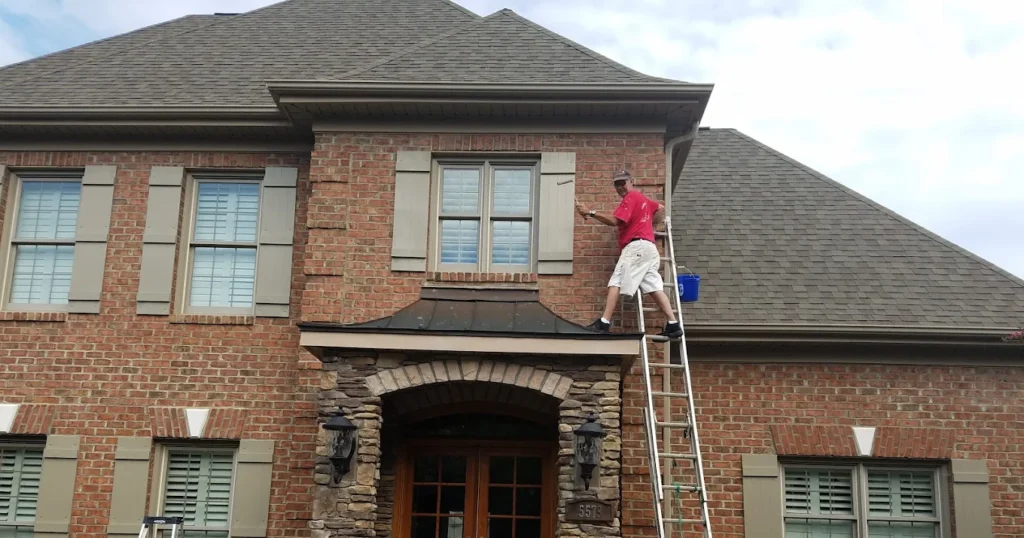
Prep is one of the biggest reasons painting estimates differ.
A lower quote may leave out steps that affect the final result. A better estimate explains what prep is part of the project before painting begins.
Prep may include:
- sanding
- patching
- caulking
- scraping loose paint
- spot priming
- washing exterior surfaces
- masking and protection
If prep is not written clearly, a homeowner may think two quotes cover the same job when they do not.
Repairs Should Be Clear, Not Assumed
Some surfaces are ready for paint. Others are not.
A written estimate should explain whether repairs are included, limited, or separate. That matters for walls, ceilings, trim, and exterior surfaces that show damage before the finish work starts.
For example, if the job includes cracked or damaged walls, it helps to confirm whether drywall repair is included before painting begins.
That one detail can change both the scope and the final cost.
Paint Details Should Include Brand, Product, Color, and Sheen
Homeowners should know what materials are being used.
A strong estimate should explain:
- the paint brand
- the product line
- the color if selected
- the sheen
- where each product will be used
That matters because different surfaces need different coatings. Interior walls, cabinets, ceilings, trim, and exterior siding do not all use the same products.
If the estimate does not explain paint details clearly, it leaves out a major part of the job.
Primer Usage and Number of Coats Should Be Stated
Primer and coat count should not be left to guesswork.
A written estimate should explain whether the project includes:
- primer where needed
- one finish coat
- two finish coats
- extra coverage in problem areas
That matters because coat count affects finish quality, durability, labor time, and material use.
A quote that only says “paint walls” without coat details can hide important differences in scope.
Labor, Materials, and Payment Terms Should Make Sense
A professional estimate should explain more than the total number.
It helps when the estimate makes labor and material costs understandable, even if they are not broken down into tiny parts. Homeowners should also know
whether there is:
- a deposit
- a progress payment
- a final payment at completion
The estimate should also make it clear whether the number is a fixed project price or an estimate that could change if hidden issues are found later.
That helps avoid confusion and makes the agreement easier to follow.
Timeline and Job Sequence Should Be Clear
A written estimate should also give a reasonable view of timing.
That may include:
- an estimated start date
- an estimated completion date
- whether prep and repairs happen before finishing work
- whether drying time affects the sequence
- whether exterior work depends on weather conditions
The estimate does not need to predict every hour perfectly. It just needs to help the homeowner understand how the job may move from start to finish.
Insurance, Protection, and Cleanup Should Be Addressed
A strong estimate should also cover site protection and job conditions.
Homeowners should be able to understand:
- whether the company has insurance
- how floors and furniture will be protected
- how landscaping or nearby exterior areas will be covered
- whether daily cleanup is part of the job
- what cleanup looks like when the project is finished
These details matter because they affect the homeowner’s experience, not just the paint finish.
Warranty, Exclusions, and Change Conditions Should Be Easy to Find
A homeowner should not have to ask at the very end whether there is a warranty.
A better estimate should clearly explain:
- whether there is a workmanship warranty
- what is excluded from the job
- what may create added cost later
- how changes are handled if the scope grows after work begins
That does not need to be written in complicated language. It just needs to be clear.
Company Details and Approval Information Matter Too
A written estimate should also make it clear who is giving the quote.
That usually means the document should include:
- company name
- phone number
- email or website
- project address
- estimate date
- a place for approval or acceptance, if that is how the company handles the next steps
These small details help prevent misunderstandings later.
Match the Estimate to the Type of Service
Not every estimate should look the same, because not every project is the same.
For example:
- room, ceiling, and trim projects should align with interior painting services
- siding, shutters, trim, and weather-exposed surfaces should align with exterior painting services
- kitchens, baths, and built-in storage should align with cabinet painting
- damaged wall surfaces should align with drywall repair
A useful estimate fits the service, not just the square footage.
Red Flags in a Painting Estimate
Some estimates look professional at first, but leave out too much.
Red flags include:
- vague line items like “labor and materials” with no detail
- no prep work listed
- no mention of repairs
- no paint brand, sheen, primer, or coats
- no written timeline
- no payment terms
- no warranty details
- no exclusions
- no company contact details
- no written document at all
- a price that is much lower than the others, without a clear reason
These are signs to ask more questions before moving forward.
What Homeowners Should Compare Between Two Estimates
If you have two or three estimates in front of you, compare these items first:
- scope of work
- included and excluded surfaces
- prep included
- repairs included or excluded
- paint products
- color and sheen details
- primer usage
- number of coats
- labor and material clarity
- payment terms
- timeline
- cleanup
- warranty
- exclusions
- what may change later
That is a much better comparison method than looking only at the final price.
Final Thoughts
A written painting estimate should help you understand the real job before work starts. It should explain the scope, prep, repairs, products, primer, coats, cleanup, timing, payment terms, and anything that could affect the final cost.
That is how homeowners make better decisions.
For homeowners comparing quotes, Johnson Painting Co. & More should be judged the same way: by scope clarity, prep detail, product fit, estimate accuracy, and whether the service matches the project.
FAQs
A written painting estimate should include the scope of work, included and excluded surfaces, prep, repairs, products, primer, number of coats, timeline, payment terms, cleanup, warranty, and exclusions.
They may include different levels of prep, different products, different repair work, different coat counts, or different assumptions about what is included.
Yes. Those details help homeowners understand what materials will be used and whether the finish plan matches the surface.
Yes. A written estimate should explain whether there is a deposit, progress payments, or a final payment due at completion.
Common red flags include vague line items, no prep details, missing product information, no written timeline, no warranty terms, and a very low price without a clear reason.
Request an Estimate for Your Project
If you are comparing quotes and want a clearer way to judge them, start by looking at scope, prep, repairs, products, coats, timeline, and cleanup.Then review the main Kernersville painting company page, check the service that fits your project, and request an estimate when you are ready to move forward.