Table of Contents
Surface Prep Before Painting: What It Includes and Why It Matters
Surface prep before painting is the work that happens before paint goes on. It usually includes cleaning before painting, repairs, sanding, scraping, caulking, primer, masking, and checking whether the surface is actually ready for a finish coat.
That matters because paint does not fix surface problems. It covers them. If the surface is dirty, damaged, glossy, damp, peeling, or uneven, the finish can fail early or look rough. A surface should be clean, solid, and dry before painting starts.
If you are comparing painters in Kernersville, this is one of the easiest parts of the job to miss. One quote may include real prep. Another may only include paint application.
Quick Checklist for Surface Prep Before Painting
Before paint starts, painting prep work may include:
- cleaning before painting
- repairs before painting
- scraping loose or peeling paint
- sanding rough or glossy areas
- caulking gaps around trim, doors, or windows
- using primer where needed
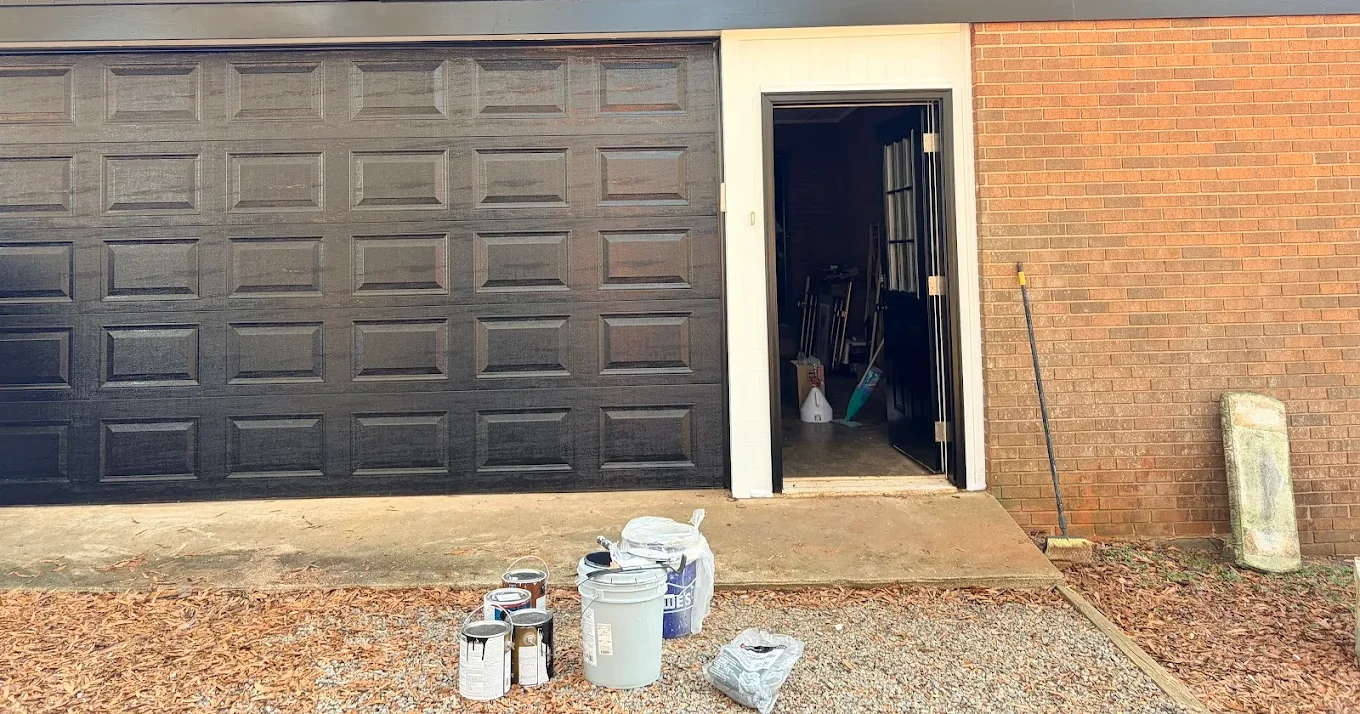
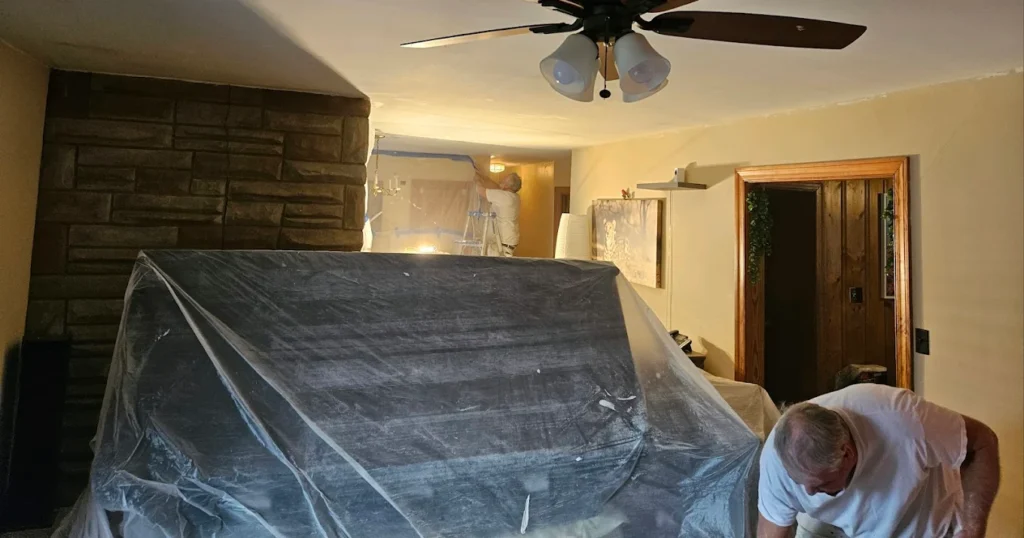
- protecting floors, furniture, landscaping, and nearby surfaces
- checking whether the surface is clean, solid, and dry
- handling interior painting prep and exterior painting prep differently
If you want the broad service overview first, start with the main Kernersville painting company page.
Surface Prep Starts With the Condition of the Surface
The first step is not choosing a color. It is checking what shape the surface is in.
A wall with nail holes needs a different approach than a stained ceiling. Exterior siding with chalking or mildew needs a different plan than clean interior drywall.
Trim, cabinets, doors, decks, and weather-exposed surfaces all behave differently.
Good prep starts with questions like these:
- Is the surface clean?
- Is it solid?
- Is it dry?
- Is there loose paint?
- Are there cracks, dents, stains, or gaps?
- Does the surface need repairs before painting?
That early review shapes the rest of the job.
Cleaning Comes Before Paint
A surface that looks clean is not always ready for coating.
Interior walls can hold dust, grease, smoke residue, and hand oils. Exterior surfaces can hold dirt, mildew, algae, chalking, and loose residue. Those things can reduce paint adhesion and shorten the life of the finish. That is why cleaning before painting is often the first real prep step.
Cleaning may include:
- wiping interior walls and trim
- degreasing the kitchen or high-touch areas
- washing exterior siding
- removing mildew or algae
- letting surfaces dry fully before coating
For exterior work, that cleaning step may involve pressure washing before painting or staining.
Repairs Help Create a Smooth, Stable Base
Prep is not only about cleaning. It is also about fixing what would show through the finish.
That may include:
- filling holes
- patching dents
- smoothing cracks
- repairing damaged corners
- treating patched areas before painting
If the damage goes beyond light patching, it may need a separate repair step.
For cracked or damaged walls and ceilings, that may mean drywall repair before painting begins.
That is one reason prep should be written clearly into the estimate.
Scraping and Sanding Help the Paint Bond Better
Paint bonds better to a stable surface than to loose material or glossy spots.
Scraping helps remove peeling, flaking, or blistering paint. Sanding helps smooth rough areas and dull glossy surfaces so the new coating has a better mechanical bond. If these steps are skipped where they are needed, the finish may not look even and may not hold as long.
That is especially important on:
- peeling trim
- patched walls
- glossy surfaces
- older painted areas that need a smoother transition
Caulking and Joint Work Clean Up the Finish
Small gaps can make a finished project look incomplete.
Caulking is often used where trim meets walls, around joints, and near windows or doors to create a cleaner line before paint goes on. On some exterior surfaces, it can also help reduce moisture entry in the right locations.
That is a small step, but it often has a big effect on how complete the final job looks.
Primer Is Part of Prep, Not a Small Detail
Primer should not be treated like an automatic step on every job, but it should not be ignored either.
Primer may be needed:
- on repaired areas
- over stains
- on bare patches
- over difficult color changes
- where better adhesion is needed
A good prep plan explains where primer is needed and why. That is one reason prep should be discussed before the finish coat is priced.
Interior Prep and Exterior Prep Are Different
Interior painting prep and exterior painting prep often overlap, but they are not the same.
Interior Prep May Include
- removing dust and grease
- patching walls and ceilings
- sanding repaired spots
- removing switch plates
- using painter’s tape and drop cloths
- protecting floors and furniture
- stain-blocking where needed
Exterior Prep May Include
- washing dirt, mildew, and chalking off surfaces
- scraping loose coatings
- checking for damaged or rotten wood
- allowing surfaces to dry fully
- protecting plants, walkways, and nearby features
- planning around weather conditions
For walls, ceilings, and room updates, review interior painting services.
For siding, trim, shutters, and weather-exposed surfaces, review exterior painting services.
Protection Steps Are Part of Prep Too
Prep also includes protecting the areas around the work.
That may include:
- moving or covering furniture
- laying drop cloths
- using painter’s tape
- protecting floors
- covering nearby landscaping
- masking fixtures, switches, or hardware where needed
These steps matter because a clean finish also depends on controlling what happens around the surface, not just on the surface.
Safety Matters on Older Painted Surfaces
Older painted surfaces need extra care.
If a surface has very old paint, scraping or sanding may require special caution.
Homeowners do not need to become experts here, but they should know that older paint conditions can change how prep is handled and what safety steps may be needed.
That is another reason surface prep before painting should be discussed clearly before work starts.
What Surface Prep Should Look Like in an Estimate
A strong estimate should not treat prep like a mystery.
It should make the prep scope easier to understand. That may include:
- what will be cleaned
- what will be repaired
- what will be sanded or scraped
- where caulking is needed
- whether primer is included
- whether pressure washing is part of the scope
- whether repairs are limited or separate
If prep is missing or vague, homeowners may think they are comparing the same job when they are not.
Red Flags When Prep Is Not Explained Clearly
Some quotes mention paint and price but say very little about the surface.
That is a warning sign.
Common prep red flags include:
- no mention of cleaning
- no mention of sanding or scraping
- no mention of patching or repairs
- no explanation of primer
- no mention of protection steps
- no mention of exterior washing where needed
- vague wording like “prep as needed” without detail
Prep does not need to be explained in technical language, but it should be clear enough for the homeowner to understand what is being done before painting starts.
Why Prep Often Matters More Than the Paint Brand
Many homeowners focus first on the paint brand.
That matters, but prep often matters more. A high-end coating still needs a clean, solid, and dry surface. Weak prep can reduce the value of even a good product.
That is why the better question is not only, “What paint will be used?” It is also, “What surface prep before painting is being done before the paint goes on?”
Final Thoughts
Surface prep before painting is the work that makes paint perform the way it should. It helps with paint adhesion, finish quality, durable finish performance, and how clean the final result looks.
Before interior or exterior painting starts, homeowners should understand what prep is included, what repairs are needed, what protection steps will be used, and whether the surface is truly clean, solid, and dry.
For homeowners comparing options, Johnson Painting Co. & More should be judged the same way: by how clearly the prep is explained, how well it fits the surface, and whether the service matches the real job.
FAQs
Surface prep before painting can include cleaning before painting, repairs, scraping, sanding, caulking, primer, masking, and checking whether the surface is ready for paint.
Cleaning before painting removes dust, grease, dirt, mildew, and other residue that can reduce paint adhesion and affect the finish.
They use sanding and scraping to remove loose paint, smooth rough areas, dull glossy surfaces, and help the new coating bond better.
Yes. Interior painting prep often focuses on patching, room protection, and smooth wall surfaces. Exterior painting prep often focuses on washing, loose paint, weather exposure, and damaged or rotten wood.
Yes. A good estimate should explain what painting prep work is included so homeowners can compare the real scope of the job.
Request an Estimate for Your Project
If you want a better way to compare painting quotes, start by looking at the prep. Check what will be cleaned, repaired, scraped, sanded, primed, or protected before paint begins.
Then review the main Kernersville painting company page, check the service that fits your project, and request an estimate when you are ready to move forward.