Table of Contents
How to Know When Drywall Repair Should Happen Before Painting
Drywall repair before painting should happen whenever you notice surface imperfections that would stop the wall or ceiling from looking smooth and finished after painting. That includes visible cracks, dents, nail holes, nail pops, raised tape lines, patch marks, soft spots, stains, and ceiling flaws that will still show after a fresh coat.
That matters because paint changes color, but it does not fix damage. If the wall is uneven, patched badly, still drying, or not primed properly, the finish can look rough, flash differently, or show obvious repair marks.
For homeowners comparing painters, this is one of the easiest places to misread a quote. One estimate may include real repair work. Another may only include paint.
Top Signs Drywall Repair Should Happen Before Painting
Before paint starts, look for signs that the surface is not truly ready.
Common signs include:
- visible cracks in walls or ceilings
- small or large holes
- dents or gouges
- nail holes and nail pops
- raised or loose joint tape
- patch marks that still show
- water stains
- bubbling or soft drywall
- uneven texture
- ceiling flaws that catch light
If you can see or feel these issues before painting, repair usually needs to happen first.
If you need the broad service overview first, start with the main Kernersville painting company page.
Paint Does Not Hide Surface Imperfections Well
A lot of people hope fresh paint will cover minor wall flaws.
That usually does not happen.
Paint may reduce color differences, but it does not fix shape, depth, loose material, or poor patching. In many rooms, a new coat makes the damage easier to notice because the light hits the surface more evenly.
That is why repairing drywall before painting is often the step that makes the biggest difference in how clean the final room looks.
Small Drywall Problems Still Matter Before Painting
Not every drywall issue is major, but small problems still affect the finish.
Repair should usually happen before painting when you see:
- hairline with visible cracks
- small holes from picture hooks
- shallow dents
- popped screws or nail pops
- old patch marks
- raised seam lines
- uneven corner edges
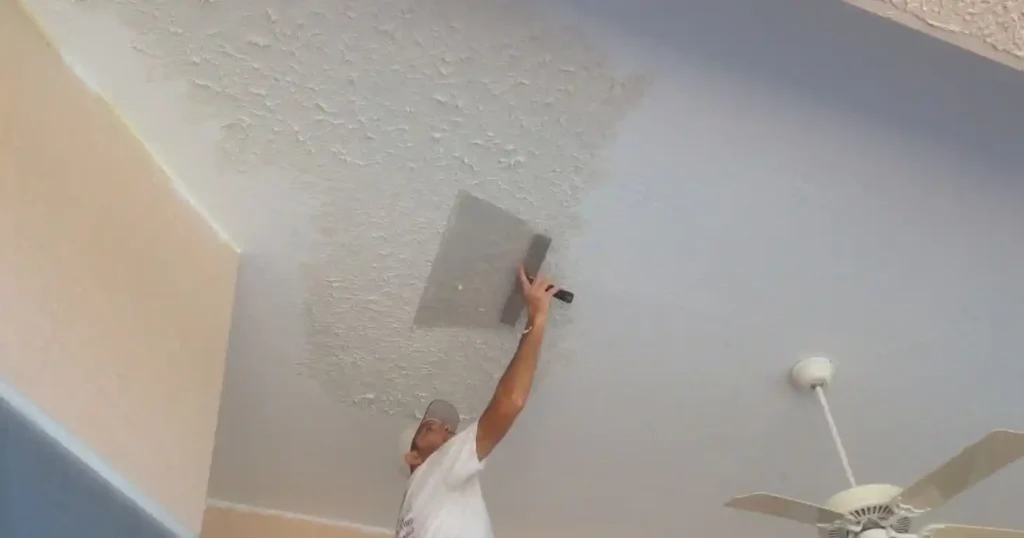
These may look minor before paint, but they often stand out more after the finish coat goes on.
Larger Damage Changes the Scope of the Job
Some drywall problems go beyond simple patching.
If the wall or ceiling has:
- larger holes
- broken corners
- loose seams
- damaged joint tape
- wide cracks
- soft drywall
- stain damage
- failed texture or ceiling patching
Then the project may need a more involved repair process before painting starts.
That’s where a real drywall repair before painting plan matters. The area may need patching, compound work, full drying time, sanding, dust removal, and primer before it is ready for finish paint.
Ceiling Damage Should Be Repaired Before Repainting
Ceiling flaws often show more than wall flaws after a fresh coat.
That is especially true for:
- stains
- patch marks
- popped fasteners
- tape seams
- damaged texture
- uneven repair areas
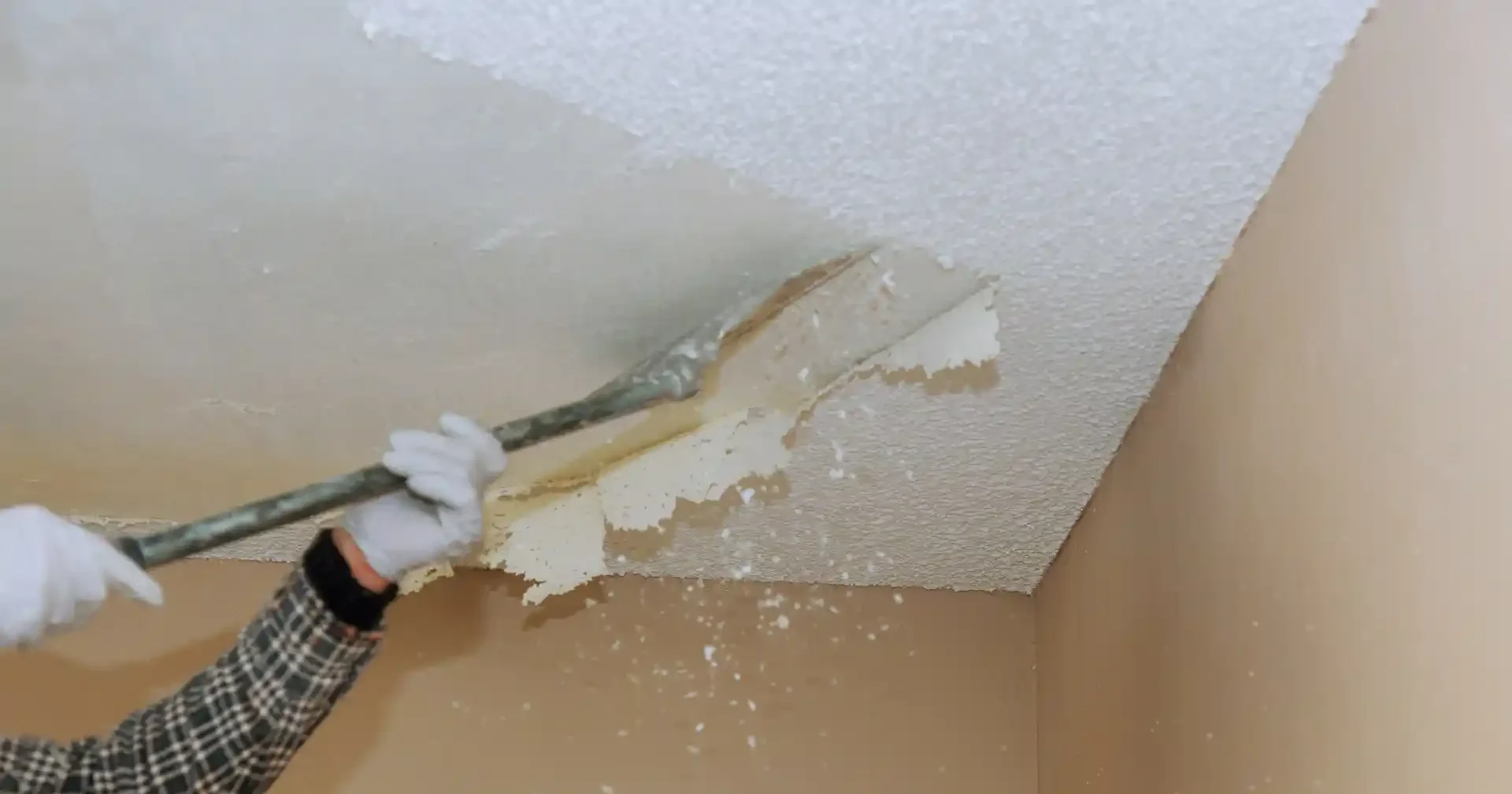
Because ceilings catch light differently, even small defects can stay visible after repainting. That is why ceiling repair before painting should happen before the job is treated like a normal repaint.
If the ceiling texture itself is part of the issue, the work may overlap with popcorn ceiling removal or other ceiling-prep steps.
Water Stains and Soft Drywall Need More Than Paint
A stain is not always just a paint problem.
If drywall has been exposed to moisture, the issue may go deeper than the color on the surface. A water stain, soft area, or bubbling section may need repair before painting starts.
That can include:
- checking whether the area is fully dry
- removing damaged material if needed
- patching the section
- smoothing the repair
- applying the right primer before paint
Painting over moisture damage too early can lead to repeat staining, peeling, or obvious patch marks later.
How Long Should Drywall Repair Dry Before Painting
Dry time matters more than many homeowners expect.
A patch is not ready for paint just because it looks dry on top. It should be fully dry all the way through before sanding, priming, and finishing painting move forward.
In simple terms:
- small patches may dry faster
- deeper repairs usually take longer
- thicker compound should not be rushed
- sanding should happen after full dry time
- dust should be removed before primer and paint
If paint goes on too early, the repair can show through the finish or create texture mismatch, uneven color, or sheen problems.
A Patch Is Not Paint-Ready Until It Is Smooth, Dry, and Primed
A patched area is not ready for paint the moment the compound is applied.
Before painting starts, the patch should be:
- fully dry
- sanded smooth
- dust-free
- blended into the surrounding wall
- primed where needed
That is one of the most common places where rushed work becomes visible later. If the patch is rough, dusty, or unprimed, the finish may look uneven even after a fresh coat.
What Happens If You Skip Primer on a Drywall Patch
Skipping primer on a repair can cause visible finish problems.
Common issues include:
- uneven absorption
- flashing
- weak color consistency
- uneven sheen consistency
- visible patch outlines
That is why primer matters after drywall repair. It helps the patched area accept paint more evenly and blend better with the rest of the wall or ceiling.
Do You Need to Paint the Whole Wall After Patching?
Sometimes yes, sometimes no.
If the patch is very small and the finish matches well, a smaller repaint area may work. But if the patch is noticeable, the color has aged, the sheen is hard to match, or the wall catches side light, painting the full wall often gives a cleaner result.
That matters because the goal is not only to repair the hole. The goal is to repair and disappear into the finished surface as much as possible.
Common Mistakes When Patching Walls Before Paint
Some patch jobs fail because the steps are rushed.
Common mistakes include:
- patching and painting too soon
- skipping sanding
- leaving sanding dust on the wall
- skipping primer
- not blending the patch edges well
- painting only the patch when the full wall really needs repainting
- ignoring surface imperfections around the patch
These mistakes often lead to flashing, rough texture, and visible repair marks after painting.
Drywall Repair and Interior Painting Are Connected, but Not the Same
Drywall repair and painting often happen in the same project, but they are not the same task.
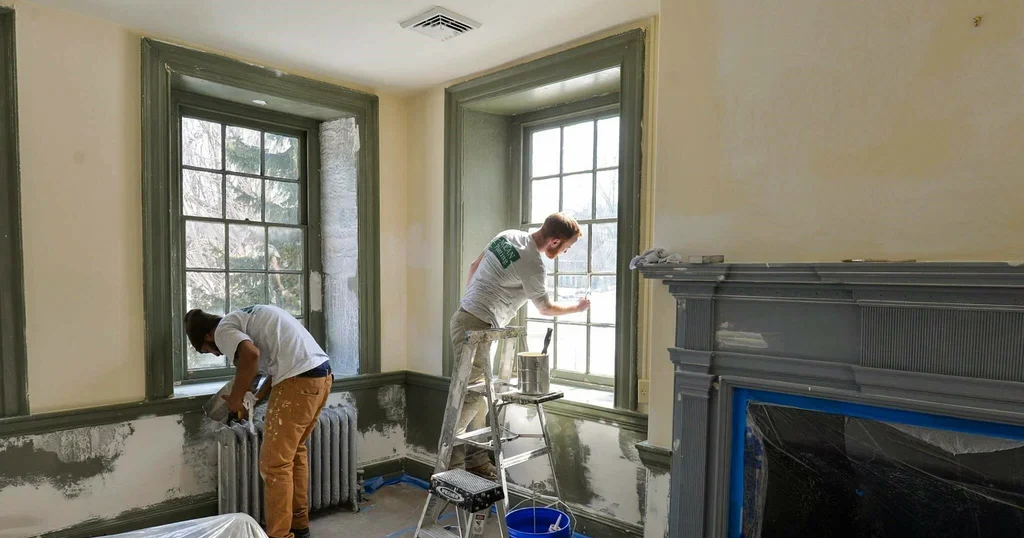
Drywall repair before painting focuses on making the surface flat, stable, dry, and ready to hold finish paint evenly. Interior painting focuses on color, coverage, sheen, and the final look.
That is why homeowners should not assume a standard repaint quote automatically includes real wall repair.
For room updates, walls, ceilings, and trim, review interior painting services.
For damaged walls and ceilings that need more prep first, review drywall repair.
What Drywall Repair Should Look Like in an Estimate
A strong estimate should not treat repair work like a small side note.
It should help you understand:
- what damage is being repaired
- whether the repair is minor or more involved
- whether patching is included
- whether sanding is included
- whether the primer is included in the repair
- whether texture blending is needed
- whether the repair is limited or full-scope
If those details are missing, homeowners may think they are comparing the same job when they are not.
Red Flags Before Painting Over Drywall Damage
Some projects move to paint too quickly.
That is a warning sign.
Common red flags include:
- painting over visible cracks
- painting over raised tape lines
- no dry time after patching
- no sanding before finish paint
- no dust removal after sanding
- no primer over repaired areas
- vague wording like “minor prep included” without detail
These usually mean the repair process is not being handled clearly enough.
What Are Signs of Bad Drywall Installation?
Some drywall problems are not just normal wear. They may point to poor installation or poor past repair work.
Signs may include:
- repeating seam lines
- tape that keeps lifting
- uneven wall planes
- corner bead problems
- patch areas that always show
- fasteners that keep popping
- ceiling seams that stand out under light
These issues should not be treated like a simple repaint problem if the surface itself is not stable.
What the Best Repair-to-Paint Sequence Looks Like
In a normal workflow, drywall repair should happen before the finish painting stage.
The order usually looks like this:
1. Assess the Damage
Check whether the issue is minor patching, broader repair, ceiling damage, or moisture-related.
2. Complete the Repair
Fill, patch, tape, or rebuild the damaged area as needed.
3. Allow Full Dry Time
Do not rush the next step before the repair material is fully dry.
4. Sand and Clean the Surface
Smooth the repair and remove dust.
5. Prime the Repaired Area
Use primer where needed so the finish coat lays more evenly.
6. Apply the Finish Paint
Only after the repaired surface is actually paint-ready.
That sequence helps create a smoother, more consistent finish.
Final Thoughts
How to know when drywall repair should happen before painting is simple to answer: it should happen any time the surface is not smooth, stable, dry, and truly ready for paint.
That includes surface imperfections, visible cracks, holes, dents, nail holes, nail pops, tape issues, water stains, ceiling flaws, and patches that still need dry time, sanding, or primer.
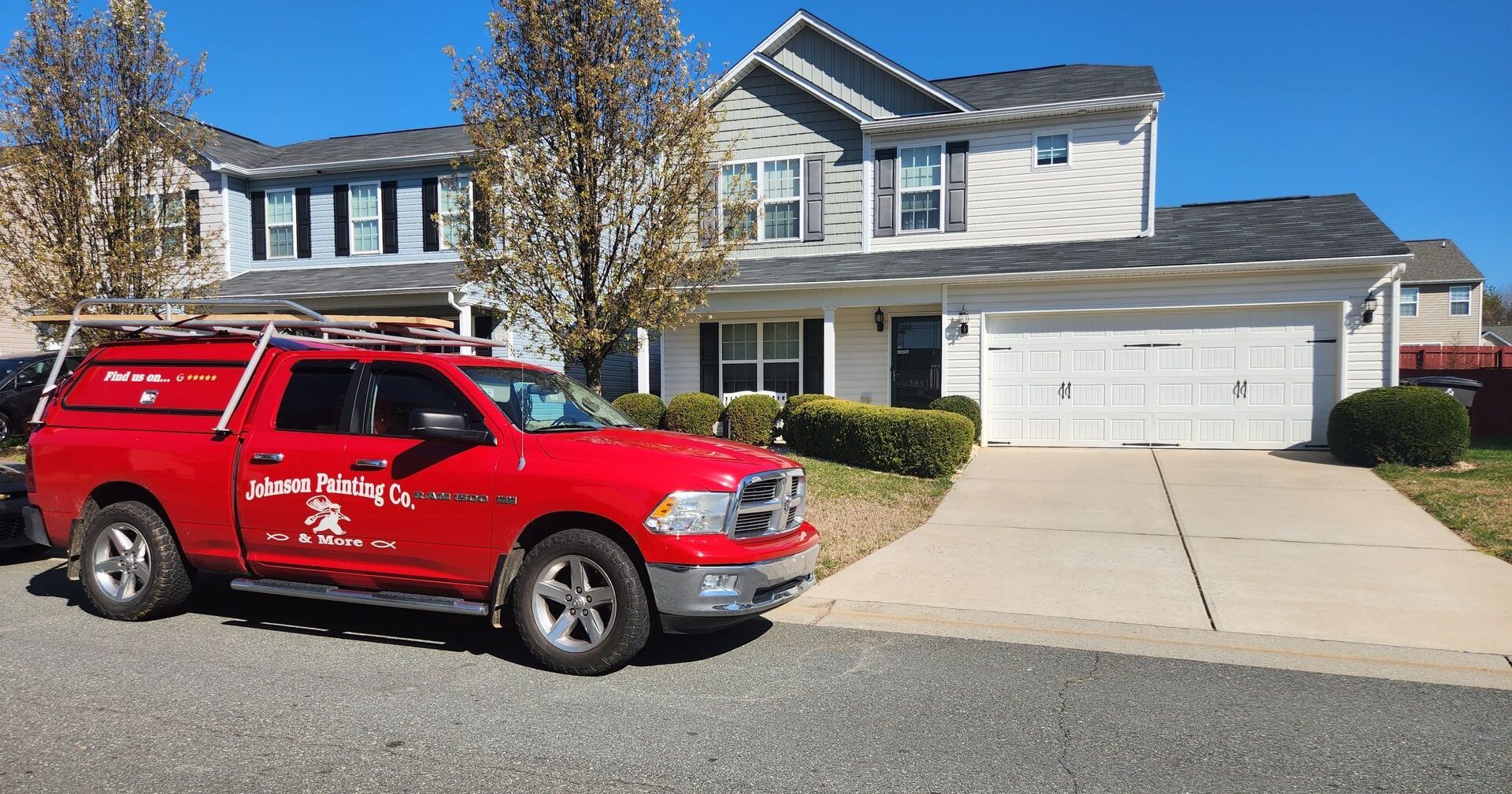
For homeowners comparing options, Johnson Painting Co. & More should be judged the same way: by how clearly the repair work is explained, whether the wall or ceiling is truly paint-ready, and whether the service matches the real condition of the surface.
FAQs
If the wall or ceiling has visible cracks, holes, dents, nail pops, stains, rough patches, or seam issues, repair should usually happen first.
The repair should be fully dry before sanding, priming, and finishing painting begins. Small patches may dry faster, while deeper repairs usually take longer.
Yes, but only after the repair is dry, smooth, dust-free, and primed where needed. Painting too soon can leave visible patch marks.
Skipping primer can lead to uneven absorption, flashing, weak color consistency, poor sheen consistency, and visible patch outlines.
Sometimes. If the patch is hard to blend, the color has aged, or the sheen is hard to match, painting the full wall often gives a cleaner final result.
Request an Estimate for Your Project
If you are comparing painting quotes, do not only look at color and price. Check whether the wall or ceiling actually needs repair before painting starts, and whether the patching process includes dry time, sanding, and primer.
Then review the main Kernersville painting company page, check the service that fits your project, and request an estimate when you are ready to move forward.