Table of Contents
Why Pressure Washing Before Exterior Painting Matters
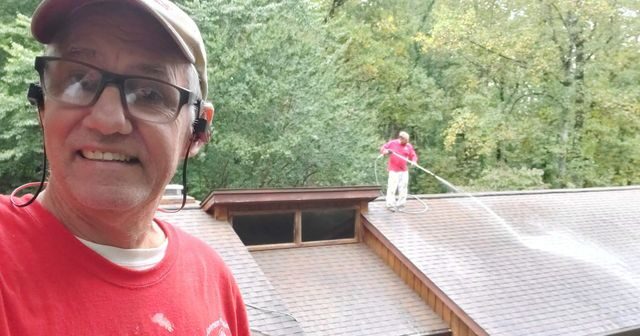
Pressure washing before exterior painting matters because exterior paint performs better on a surface that is clean, dry, and free from buildup. If the house is covered in dirt, grime, mold, mildew, chalking, or loose paint, the new coating may not bond as well as it should.
That is why washing is often one of the first real prep steps before exterior painting starts. It is not only about making the house look cleaner. It is about helping create a clean surface that is more ready for paint.
For homeowners comparing painters, this is one of the easiest parts of the prep process to overlook. One quote may include real washing and dry time. Another may go straight to paint.
Quick Checklist: When Pressure Washing Matters Before Painting
Before exterior painting starts, pressure washing before paint usually matters when the house has:
- visible dirt or grime
- mold, mildew, or algae
- chalking on siding or trim
- loose paint residue
- cobwebs and buildup in corners
- weathered surfaces that no longer feel clean
- siding or trim that has been exposed to long periods of outdoor buildup
If the exterior of the home is contaminated, washing is often one of the first steps in preparation.
If you need a broad overview of the services first, start with the main Kernersville painting company page.
Benefits of Pressure Washing Before Exterior Painting
The biggest reason washing matters is simple: it helps create a better base for paint.
The main benefits of pressure washing before exterior painting include:
- removing dirt, grime, mold, mildew, and loose paint
- creating a cleaner surface for the next prep steps
- improving paint adhesion
- helping reduce early peeling
- helping reduce early blistering
- helping the new finish last longer
- making it easier to see what the surface really needs next
A cleaner house gives the coating a better chance to bond well and hold up longer.
Should You Pressure Wash Your House Before Painting?
In many cases, yes.
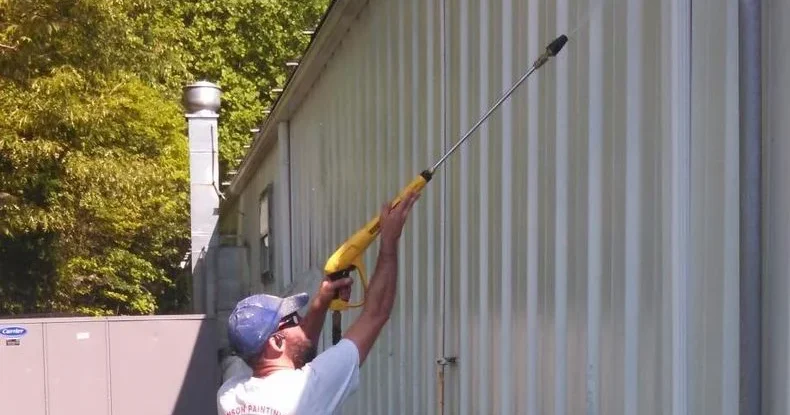
If the house has visible contamination, should you pressure-wash it before painting? That’s usually an easy question to answer. A house with dirt, mildew, mold, algae, chalking, or weathering buildup usually benefits from a wash before paint starts.
That does not mean every exterior project needs the same level of washing. The real question is whether the surface is clean, dry, and stable enough for a finish coat.
What Pressure Washing Removes Before Paint
A good wash helps remove the buildup that can get between the surface and the new coating.
That may include:
- dirt
- dust
- grime
- mold
- mildew
- algae
- chalking
- cobwebs
- loose paint dust or residue
These are common on exterior siding, wood trim, shutters, railings, and other weather-facing surfaces.
A cleaner surface gives the painter a better view of the actual condition underneath.
A Clean Surface Helps Paint Adhesion and Finish Life
A paint coating works better on a clean, stable surface.
If dirt, mildew, chalking, or loose residue stays on the house, the finish may not grip evenly. That can weaken paint adhesion, reduce coating performance, and shorten the life of the paint job.
That is why pressure washing before exterior painting matters is really a surface-quality question. A good coating still needs a good base.
A cleaner surface does not guarantee a perfect result on its own, but a dirty one makes a durable finish much harder to achieve.
Pressure Washing Is Part of Prep, Not the Whole Prep Plan
Many homeowners hear “pressure wash” and assume the prep is complete.
That is not usually true.
Pressure washing before exterior painting is often part of a larger prep sequence. Depending on the surface, the project may still need:
- scraping loose paint
- sanding rough sections
- caulking gaps
- spot priming
- minor repairs
- protection of nearby areas
Washing helps clean the surface, but it does not replace every other prep step.
How Long After Pressure Washing Can You Paint?
Dry time is one of the most important parts of this process.
After washing, the surface should be fully dry before paint goes on. In many cases, 24 to 48 hours is a common starting range, but some houses may need longer depending on:
- weather conditions
- temperature
- humidity
- shade
- how much water the material holds
- whether the surface is wood or another moisture-sensitive material
That is why painters should not treat washing and painting as the same-day steps unless conditions truly allow it.
What Happens If You Paint Too Soon?
Painting too soon after washing can create real problems.
If the surface still holds moisture, the finish may suffer from:
- weak paint adhesion
- trapped moisture
- early peeling
- early blistering
- uneven finish quality
- shorter coating life
That is why painting too soon is a real prep problem, not a small timing issue. A washed surface still needs to be dry enough to accept the coating properly.
When Washing Alone Is Not Enough
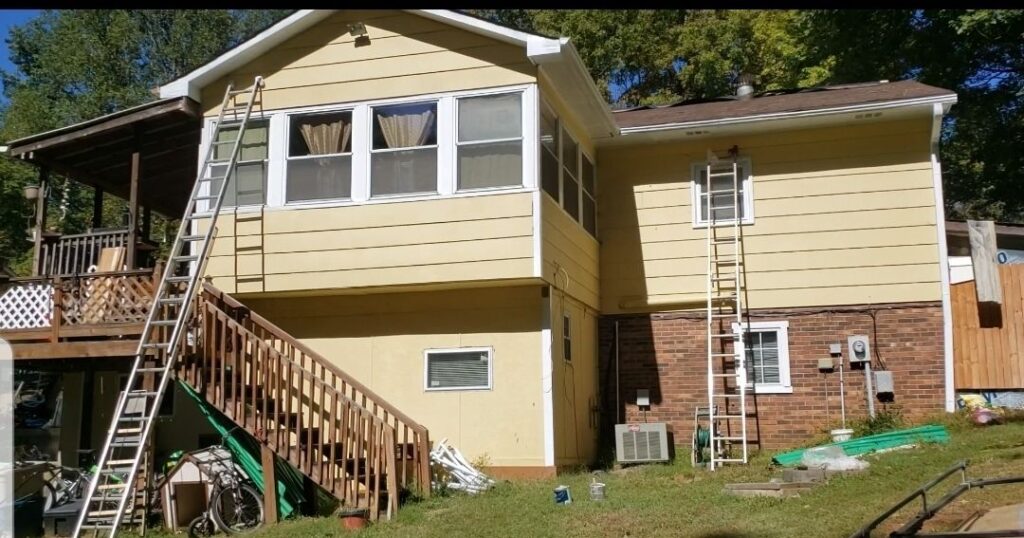
Some exterior surfaces are dirty. Others are dirty and damaged.
If the house has:
- peeling paint
- rough wood
- cracked caulk
- exposed bare spots
- loose trim
- weathered sections
- damaged boards
Then washing alone is not enough.
The cleaning step may reveal the surface’s true condition, but the project may still need scraping, sanding, repairs, caulking, or primer before the finish coat begins.
That is why homeowners should not assume a washed house is automatically paint-ready.
Different Exterior Materials Need Different Prep Decisions
Not every exterior material should be treated the same way.
For example:
- siding may need washing plus spot prep
- wood trim may need more drying time and closer review
- shutters and rails may need both cleaning and sanding
- weathered wood may need more than a wash before coating
- older surfaces may need washing plus repair-focused prep
That is why surface prep should match the material, not just the house as a whole.
For siding, trim, shutters, and weather-exposed areas, review exterior painting services.
For cleaning-focused prep, review pressure washing.
What Pressure Washing Should Look Like in an Estimate
A strong estimate should not treat washing like a vague extra.
It should help you understand:
- whether washing is included
- which surfaces are being washed
- whether washing is part of prep or a separate service
- whether dry time is built into the sequence
- whether more prep may still be needed after cleaning
If the estimate only says “prep included” without indicating whether exterior cleaning is included, the actual scope remains unclear.
Red Flags When Washing and Prep Are Not Explained Clearly
Some quotes mention exterior painting but say very little about cleaning.
That can be a problem.
Common red flags include:
- no mention of exterior cleaning
- no mention of mold, mildew, or chalking
- no dry time after washing
- no explanation of what happens after cleaning
- treating washing as the only prep step on a worn exterior
- vague wording like “power wash if needed” without detail
These usually indicate that the prep process isn’t being explained clearly enough.
Final Thoughts
Why pressure washing before exterior painting matters is simple: it helps remove contamination that can weaken prep quality, reduce paint adhesion, and shorten the life of the finish.
It is an important part of exterior prep when the house is carrying dirt, grime, mold, mildew, chalking, or old residue. But it is not the full prep plan by itself.
Washing may still need to be followed by dry time, scraping, sanding, caulking, repairs, or primer, depending on what the surface actually needs.
For homeowners comparing options, Johnson Painting Co. & More should be judged the same way: by how clearly the prep is explained, whether the surface is truly ready for paint, and whether the service matches the home’s true condition.
FAQs
Not every house needs the same prep, but pressure washing before exterior painting is often needed when the surface has dirt, grime, mold, mildew, chalking, or loose residue.
In many cases, 24 to 48 hours is a common starting range, but some surfaces may need longer depending on weather, shade, humidity, and material type.
If the surface is not fully dry, paint may not bond properly. That can lead to weak adhesion, trapped moisture, and early-finish problems such as peeling or blistering.
No. Washing is often one step in exterior painting prep, but the project may still need scraping, sanding, caulking, repairs, or primer.
A clean surface helps the coating bond better, lowers the risk of adhesion problems, and gives the paint a better chance to last.
Request an Estimate for Your Project
If you are comparing exterior painting quotes, do not only ask what paint will be used. Ask whether the house needs cleaning first, how long the surface should dry after washing, and what the next step is.
Then review the main Kernersville painting company page, check the service that fits your project, and request an estimate when you are ready to move forward.