Table of Contents
Residential vs Light Commercial Painting: Which Service Fits Your Project?
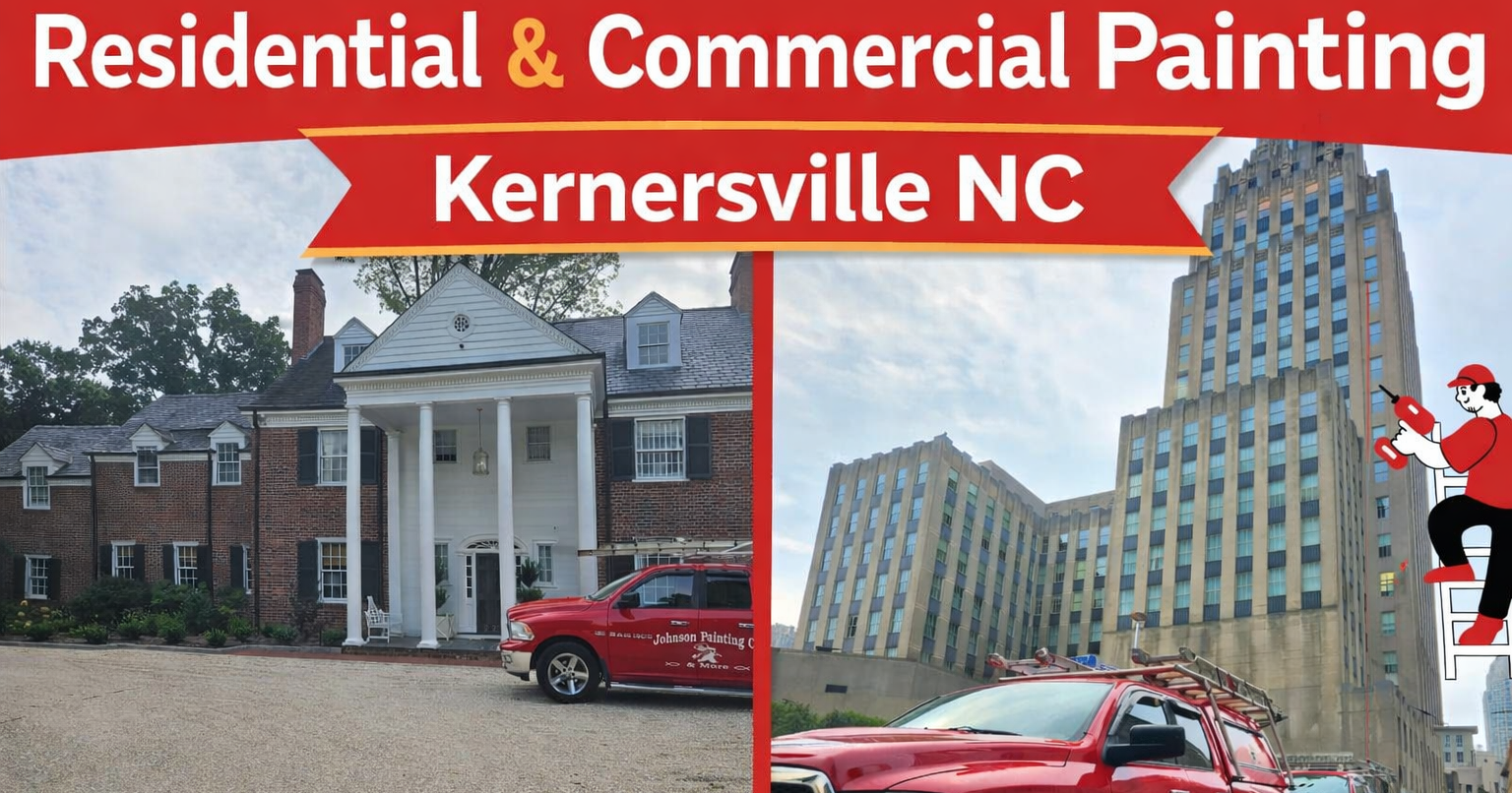
Residential painting and light commercial painting can look similar at first because both may include walls, ceilings, trim, doors, and exterior surfaces. But they are not the same kind of project.
That matters because residential painting is usually built around homes, detail, appearance, and personalization. Light commercial painting is usually built around durability, efficiency, access, and keeping the space usable with as little disruption as possible.
For homeowners, landlords, and business owners, the better question is not only what needs to be painted, but also what doesn’t. The better question is how the property is used every day and what kind of finish plan fits that use.
Quick Comparison: Residential vs Light Commercial Painting
A simple way to separate them is this:
- residential painting is for homes and living spaces
- light commercial painting is for offices, retail spaces, and small facilities
- residential work is often more detail-driven and appearance-driven
- commercial work is often more durability-driven and efficiency-driven
That difference affects the schedule, the prep, the workflow, and the way the finish is judged.
If you need a broad overview of the services first, start with the main Kernersville painting company page.
Residential Painting Focuses More on Detail, While Light Commercial Painting Focuses More on Durability
Residential painting usually focuses more on:
- detail
- appearance
- room feel
- personalization
- matching the style of the home
Light commercial painting usually focuses more on:
- durability
- consistency
- efficiency
- function
- keeping the property usable
A home is usually judged by how it looks and feels to the people living in it. A business space is often judged by how well it performs under regular use and how clean it looks to staff, clients, or tenants.
Residential Painting Is Built Around Homes and Living Spaces
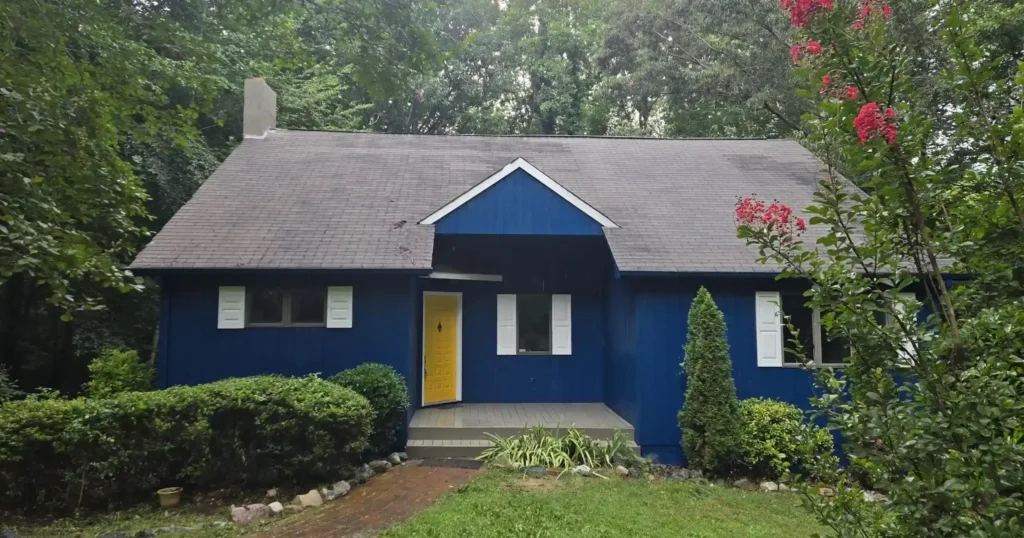
Residential painting is typically applied to properties clearly used as homes.
That may include:
- single-family homes
- bedrooms
- living rooms
- kitchens
- bathrooms
- hallways
- residential exteriors
- garages and attached home areas
The goal is often to improve appearance, refresh color, and create a clean, finished look across the living space.
For these types of projects, homeowners usually care most about:
- detail
- color flow
- room appearance
- surface condition
- finish consistency
For this type of work, review interior or exterior painting services, depending on the surfaces involved.

Light Commercial Painting Is Built Around Business Use
Light commercial painting usually fits smaller non-industrial spaces used for work, service, or managed occupancy.
That may include:
- offices
- retail spaces
- clinics
- salons
- service businesses
- rental offices
- common-use commercial interiors
- smaller business exteriors
- small facilities
These spaces are used differently from homes. They may have customer traffic, staff movement, time limits, access restrictions, and stronger expectations around keeping the space functional during the project.
For this type of work, review commercial painting service.
Why Light Commercial Painting Often Prioritizes Speed, Access, and Minimal Disruption
That is another big difference.
A home project can often work around family routines. A business project often has to work around operations.
That means light commercial painting may need to consider:
- business hours
- customer traffic
- staff access
- entry points
- limited work windows
- occupied spaces
- keeping parts of the property usable
- reducing interruption
That is why minimal disruption matters so much more in a commercial setting.
The painting plan must fit the space without interfering with the property’s function.
Project Size and Workflow Are Often Different, Too
The surfaces may look similar, but the project flow can vary greatly.
A residential job is often more room-based:
- one room at a time
- family-use planning
- furniture and household protection
- detail tied to how the home is used
A commercial job may be more workflow-based:
- repeated surface types
- larger open areas
- more structured scheduling
- coordination with staff or property management
- efficiency across active or semi-active spaces
That is one reason project size and workflow often feel different, even when both jobs are technically interior or exterior painting.
Prep Work May Be Similar, but the Conditions Are Not
Both services still depend on good prep work.
That may include:
- cleaning
- patching
- sanding
- caulking
- priming
- protecting nearby areas
- making the surface paint-ready
But the environment changes how prep is handled.
In a home, prep may focus more on:
- protecting furniture
- protecting flooring
- room-by-room flow
- family routines
In a commercial space, prep may focus more on:
- access control
- protecting business fixtures
- keeping pathways usable
- reducing disruption
- working around occupied areas
So the prep tools may be similar, but the job conditions are not.
Finish Expectations Are Not Always the Same
A residential finish is usually judged by:
- comfort
- appearance
- color harmony
- detail
- how the room feels
A light commercial painting finish is often judged more by:
- durability
- consistency
- clean presentation
- how well it holds up under use
- how the property looks to staff, visitors, or customers
That does not mean one finish matters more than the other. It means the finish is being judged differently.
Some Rental and Mixed-Use Properties Can Be Hard to Classify
That’s where a lot of confusion starts.
Some projects sit between the two categories, such as:
- rental properties
- mixed-use spaces
- home offices with client traffic
- managed small commercial properties
- converted residential layouts used for business
In these cases, the best choice usually depends on:
- how the space is used
- who uses it
- whether the job needs business-style scheduling
- whether the surfaces are treated more like home surfaces or business-use surfaces
That’s why the estimate should clearly classify the project rather than assume everything falls into a single broad category.
When Residential Painting Makes More Sense
Residential painting usually makes more sense when:
- the property is a home or living space
- the project is centered on rooms and household use
- the finish goal is more about detail and appearance
- the work is planned around home routines
- business traffic and operational access are not part of the scope
That is the better fit for standard home interiors and exteriors.
When Light Commercial Painting Makes More Sense
Light commercial painting usually makes more sense when:
- the property is used for business or managed public access
- the project needs stronger schedule control
- the space has regular staff or client use
- the finish needs to hold up in more active use conditions
- the project involves offices, retail spaces, or other small business environments
That’s the better fit when the property use is not truly residential, even if the space itself looks simple.
Why Residential and Commercial Painting Are Not Always Priced the Same Way
That is not just a size issue.
Residential and commercial jobs are not always priced the same because the job conditions differ. The difference may come from:
- project access
- scheduling needs
- disruption control
- occupancy conditions
- durability expectations
- workflow complexity
- coordination with staff, tenants, or business hours
That is why two properties with similar square footage may still require different planning and different types of estimates.
Some Projects Need Interior, Exterior, and Commercial Logic Together
Some properties need more than one layer of service thinking.
Examples include:
- a small office that needs both interior repainting and exterior updates
- a service business with a front office and customer-facing exterior surfaces
- a managed property where appearance and schedule both matter
- a mixed-use site with different surface types and access needs
In those cases, the estimate should be separated:
- property use
- surface scope
- timing needs
- finish expectations
That is how the project stays clear and does not get scoped too broadly.
What Owners Should Look for in an Estimate
A strong estimate should make the project type clear.
It should help you understand:
- whether the project is being treated as residential painting or light commercial painting
- what surfaces are included
- what prep is included
- whether access or schedule affects the work
- whether the finish expectation is home-focused or business-use focused
- whether interior and exterior surfaces are both part of the scope
If those points are vague, the owner may think they are comparing the same type of job when they are not.
Red Flags When the Service Type Is Too Broad
Some quotes say “painting” without clearly identifying the type of property or its use.
That can be a problem.
Common red flags include:
- no separation between home use and business use
- no mention of access or work-hour conditions
- no mention of occupancy or scheduling needs
- no explanation of how the project type affects workflow
- broad service language with no property-use detail
These usually mean the project has not been scoped clearly enough.
Which Service Should You Start With?
If the project centers on a home or living space, start with interior or exterior painting, depending on the surfaces involved.
If the project is centered on a business, office, retail, or service-use space, start with a commercial painting service.
If the property has mixed-use conditions, the estimate should clearly separate the project so that the appropriate service logic is applied.
Final Thoughts
Residential vs light commercial painting is really a question about property use, project conditions, and finish expectations.
A residential project is usually built around the details, appearance, and personalization of homes. A light commercial painting project is usually built around durability, efficiency, access, and minimal disruption for business-use spaces.
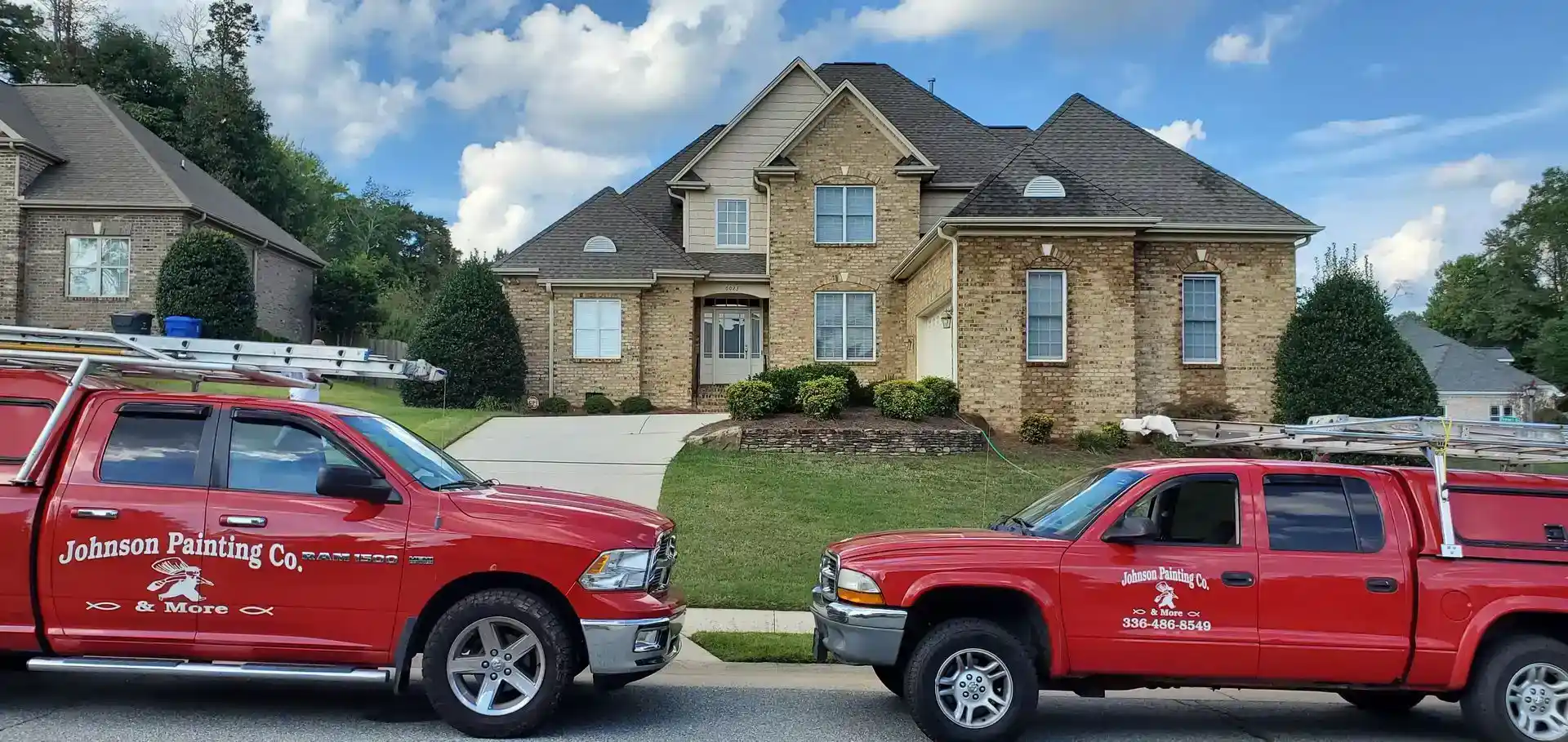
For homeowners and business owners comparing options, Johnson Painting Co. & More should be judged the same way: by how clearly the service type is separated, how well the prep matches the property, and whether the finish plan fits the real use of the space.
FAQs
Residential painting focuses more on homes, appearance, detail, and personalization. Light commercial painting focuses more on durability, efficiency, and keeping business spaces usable.
Business spaces often require scheduling control, access planning, and minimal disruption while the property remains in use.
Yes. If the space is used for business, staff, clients, or managed operations, it usually fits light commercial painting more than residential work.
In many cases, yes. Commercial spaces are often judged more by durability, consistency, and function under regular use.
Because property use, scheduling, disruption control, workflow, and finish expectations may differ even if the surfaces look similar.
Request an Estimate for Your Project
If you are comparing painting options, do not start with color alone. Start with the type of property, how the space is used, and what kind of schedule and finish the project really needs.
Then review the main Kernersville painting company page, choose the service that fits the property, and request an estimate when you are ready to move forward.