

Table of Contents
Fence Painting vs Deck Staining vs Interior Wood Staining: Which Finish Fits Each Surface?
Fence painting, deck staining, and interior wood staining are not the same kind of project. They may all involve wood, but each has a different surface condition, environment, and finish goal.
That matters because a fence is exposed to the weather. A deck sits outside in the weather and also takes foot traffic. Interior wood staining is used on indoor woodwork where appearance, tone, and finish control matter more than outdoor exposure.
For homeowners comparing options, the key question is not only what looks best. The better question is which finish actually fits how the wood surface is used.
Quick Comparison: Fence Painting vs Deck Staining vs Interior Wood Staining
A simple way to separate them is this:
- fence painting is usually chosen for exterior fencing when the goal is more solid color coverage
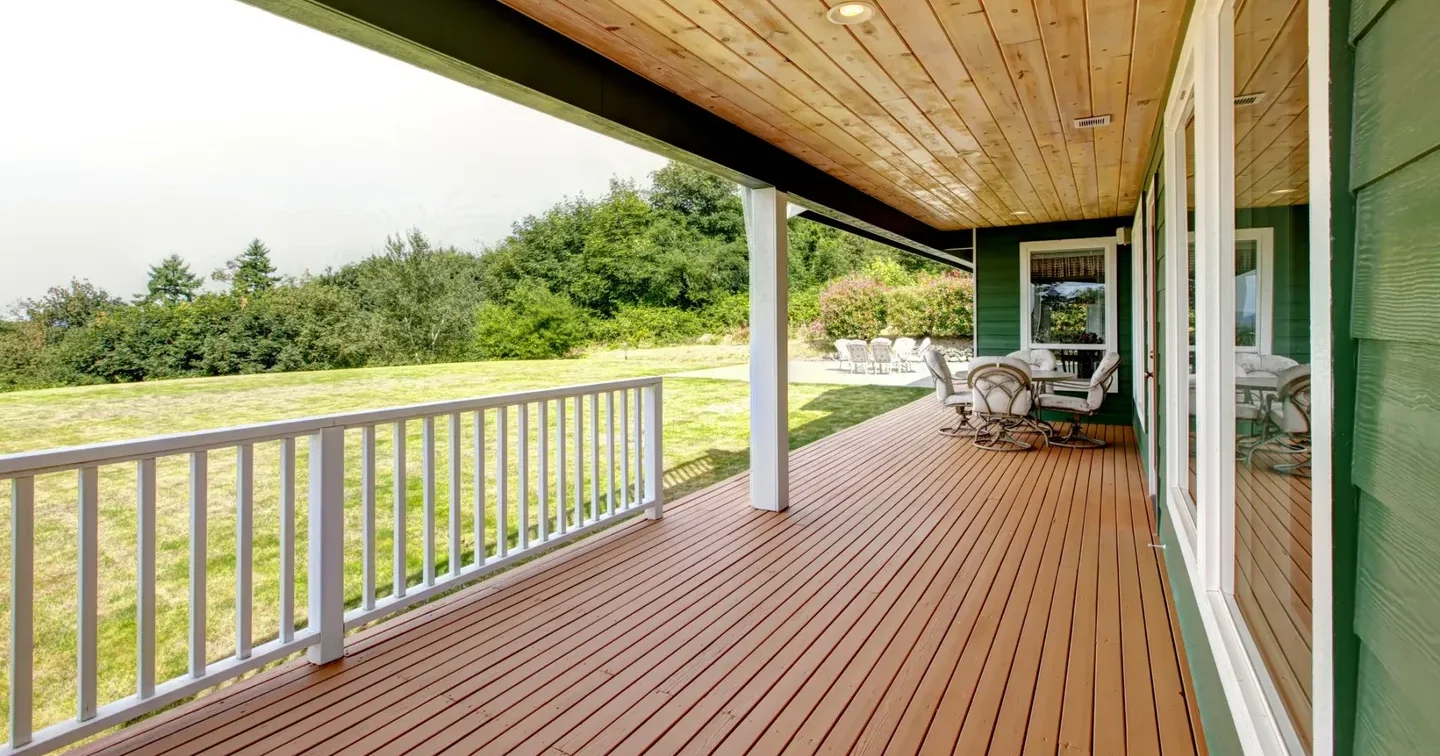
- deck staining is usually chosen for deck boards and outdoor walking surfaces where the finish needs to work with weather and wear
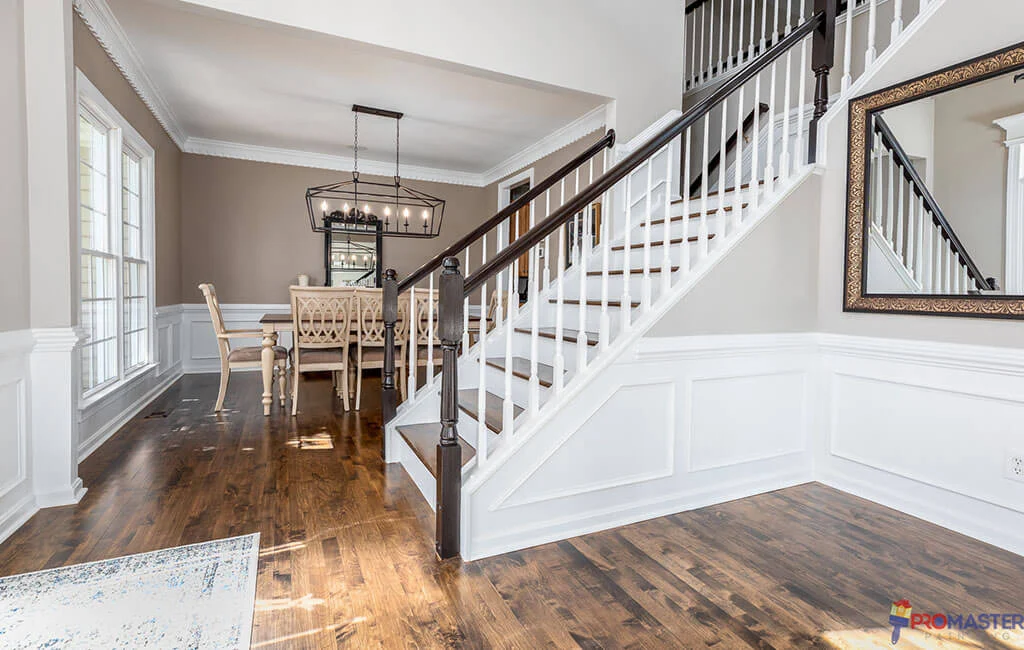
- interior wood staining is for indoor wood elements like trim, doors, built-ins, and rails
This difference matters because the finish has to match the environment, not just because the material is wood.
If you need the broad service overview first, start with the main Kernersville painting company page.
Exterior Surfaces Need a Different Finish Than Interior Wood
Exterior wood and interior wood should not share the same finish logic.
Exterior wood surfaces like fences and decks deal with:
- weather exposure
- moisture
- UV light
- temperature changes
- movement in the wood
Interior woodwork is usually protected from those conditions and is judged more by:
- tone
- smoothness
- visible wood grain
- finish consistency
- appearance in indoor light
That is why interior wood staining is a different finish category, not just another exterior stain option.
Fence Painting vs Deck Staining: What Is the Real Difference?
That is where many homeowners get stuck.
In simple terms:
- paint sits on the surface more like a covering layer
- stain penetrates wood more deeply and works with the wood differently
That is one reason deck staining is often preferred for decks and many exterior wood surfaces. A deck has to withstand outdoor exposure and foot traffic, so the finish must perform well under those conditions.
A painted fence makes sense when the homeowner wants stronger color coverage or a more uniform look. But a deck is usually a different situation because the surface is walked on, exposed, and worn differently.
Why Stain Is Often Better for Decks and Many Fences
For many outdoor wood projects, stain has a strong advantage.
That is because stain penetrates the wood rather than sitting on its surface, as paint does. On many exterior wood surfaces, this helps with:
- moisture escape
- reduced surface trapping
- easier maintenance as the finish wears
- less peeling in the way paint can peel
- keeping more of the natural wood character visible
That does not mean stain is automatically right for every fence or deck. It means the finish should match the way the wood behaves outdoors.
What Lasts Longer on a Fence or Deck: Paint or Stain?
The answer depends on the surface and the conditions.
On some fences, paint may last longer as a solid coating if the prep and product are well matched to the surface. But on many decks and exterior wood areas, stain often wears more evenly than paint.
That difference matters because:
- paint may provide more solid coverage
- stain often fades or wears without the same kind of surface peeling
- decks usually benefit from a finish that works with outdoor wear and wood movement
- fences may go either direction depending on the condition, finish goal, and maintenance expectations
So the better question is not only “what lasts longer?” The better question is “what lasts better on this specific wood surface?”
When Fence Painting Makes More Sense
Fence painting usually makes more sense when:
- the fence needs stronger color coverage
- the surface is heavily weathered, and appearance is the main goal
- the homeowner wants less visible wood grain
- the finish needs to match the painted parts of the home exterior
- a more uniform surface look matters more than showing natural wood character
That does not mean every fence should be painted. It means paint is often the better fit when coverage and appearance are the main priority.
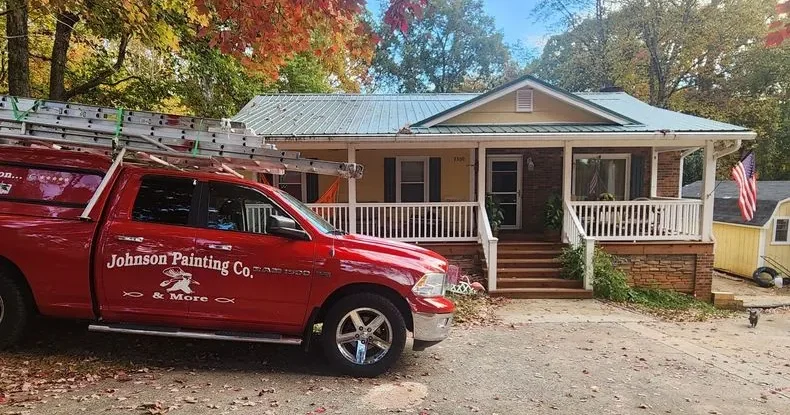
For this type of project, review fence and deck painting.
When Deck Staining Makes More Sense
Deck staining usually makes more sense when:
- the surface is a walking surface
- the wood deals with weather and foot traffic
- the finish needs to work with outdoor wear
- the homeowner wants more natural wood character to remain visible
- the surface needs a finish better suited to movement and exposure
A deck is not just exterior wood. Exterior wood is used differently. That is why deck staining often becomes the better fit.
When Interior Wood Staining Makes More Sense
Interior wood staining usually makes more sense when:
- the project is inside the home
- the wood surface is decorative or architectural
- the goal is tone, richness, and finish control
- the homeowner wants the wood grain to remain part of the look
- the surface is trim, a door, a stair rail, or built-in woodwork
That is where finish appearance matters more than outdoor weather resistance.
For this type of project, review interior wood staining.
Interior Wood Staining Often Needs a Protective Topcoat
That is one of the biggest differences between exterior and interior finish logic.
Interior wood staining often requires a protective topcoat to protect the stained wood and complete the appearance. That is part of what makes interior staining a different system from fence or deck finishing.
An interior stained wood surface is usually judged by:
- clarity
- color depth
- smoothness
- finish feel
- how well the stain and topcoat work together
That is very different from an exterior deck or fence finish.
Can You Use Fence Stain, Deck Stain, or Interior Stain Interchangeably?
Not safe as a general rule.
These are not all the same finish choice just because they involve wood.
Important distinctions:
- deck stain is chosen with deck exposure and wear in mind
- fence stain is chosen with vertical outdoor wood exposure in mind
- interior stain is for indoor wood surfaces and appearance-focused finishing
- interior wood staining should not be treated like an exterior fence or deck product
- an indoor stain system often depends on a protective topcoat
That is why homeowners should not assume one stain fits every wood surface.
Can You Use Decking Stain on a Fence?
Sometimes an exterior stain may work across different exterior wood surfaces, but that does not mean it should be assumed without checking the surface, product type, and finish goal.
A fence and a deck do not wear the same way. A deck is horizontal, walked on, and exposed to a different kind of stress. A fence is vertical and usually judged more by appearance and weather exposure.
So the real answer is: do not choose the finish based solely on the label. Choose it based on how the wood is used.
Can You Use Interior Stain on a Fence?
That is usually the wrong approach.
Interior wood staining is for indoor woodwork, not for exterior fencing. Exterior wood needs a finish system that fits outdoor weather, moisture, and UV conditions. Interior stain is part of a different finishing logic and often relies on a protective topcoat meant for interior use.
That is why indoor and outdoor wood finishes should stay separated.
Surface Prep Is Different for Each One
Good results start with the right surface prep.
Fence Prep May Include
- cleaning dirt and residue
- removing failing old coating
- sanding rough areas
- checking boards and joints
- prepping exposed wood for a new exterior finish
Deck Prep May Include
- cleaning the deck surface
- removing buildup and residue
- allowing proper dry time
- preparing worn sections
- making sure the boards are ready for a finish that matches outdoor wear
Interior Wood Staining Prep May Include
- cleaning interior woodwork
- sanding for smoothness and finish control
- checking how the wood absorbs stain
- preparing trim, doors, rails, or built-ins for a more even look
That is one reason homeowners should not assume the same prep plan applies to all three.
How to Choose the Right Service for the Surface
If the project is outside and the wood is part of the yard or exterior structure, start with painting the fence and deck.
If the project is inside and the wood is part of the home’s interior detail, start with interior wood staining.
If the surrounding exterior is part of the project, review exterior painting services as well.
That keeps the decision clear and prevents different wood-service needs from blending into a single vague request.
What Homeowners Should Look for in an Estimate
A strong estimate should make the service type clear.
It should help you understand:
- whether the surface is interior or exterior
- whether the finish is paint-based or stain-based
- what prep is included
- whether moisture escape or appearance is the main finish concern
- whether a protective topcoat is part of the interior finish system
- what surfaces are included in the scope
If those points are vague, the homeowner may think they are comparing the same type of wood project when they are not.
Red Flags When Wood Services Are Explained Too Broadly
Some quotes use broad language, such as “wood staining” or “wood painting,” without specifying the actual surface.
That can be a problem.
Common red flags include:
- no distinction between fence and deck finish logic
- no distinction between exterior wood and interior woodwork
- no mention of surface prep
- no explanation of paint vs stain
- no explanation of whether the finish is meant for interior or exterior use
- no mention of protective topcoat for interior stained wood
These usually mean the project is not being scoped clearly enough.
Final Thoughts
Fence painting vs deck staining vs interior wood staining is really a question about the surface, the environment, and the finish goal.
A fence needs a finish that fits outdoor exposure. A deck needs a finish that fits outdoor exposure plus foot traffic. Interior wood staining requires a finish system that complements the indoor appearance and often includes a protective topcoat.
For homeowners comparing options, Johnson Painting Co. & More should be judged the same way: by how clearly the service is separated, how well the prep matches the surface, and whether the finish fits the wood’s real use.
FAQs
It depends on the fence and the finish goal. Paint may last longer in some cases, but stain often wears in a way that is easier to maintain and less prone to the same type of peeling.
Sometimes an exterior wood stain may work across different outdoor surfaces, but the choice should depend on how the wood is used, not only the label on the product.
No, that is usually the wrong finish logic. Interior wood staining is for indoor woodwork and often depends on a protective topcoat, not outdoor exposure.
Yes. A deck is a walking surface and usually needs a finish plan that matches outdoor wear and foot traffic. A fence is vertical and has different finish demands.
In many cases, stain is better suited to exterior wood because it penetrates the wood, while paint forms a surface layer. That is one reason stain is often preferred for decks and many fences.
Request an Estimate for Your Project
If you are comparing wood-finish options, do not start with color alone. Start with the surface, where it is located, how it is used, and what kind of finish makes sense for that environment.
Then review the main Kernersville painting company page, select the wood surface service, and request an estimate when you are ready to move forward.